Showing posts with label Connected Car Technology. Show all posts

Friday, 30 October 2015

Google I/O 2015: Part V – Advanced Technologies and Projects

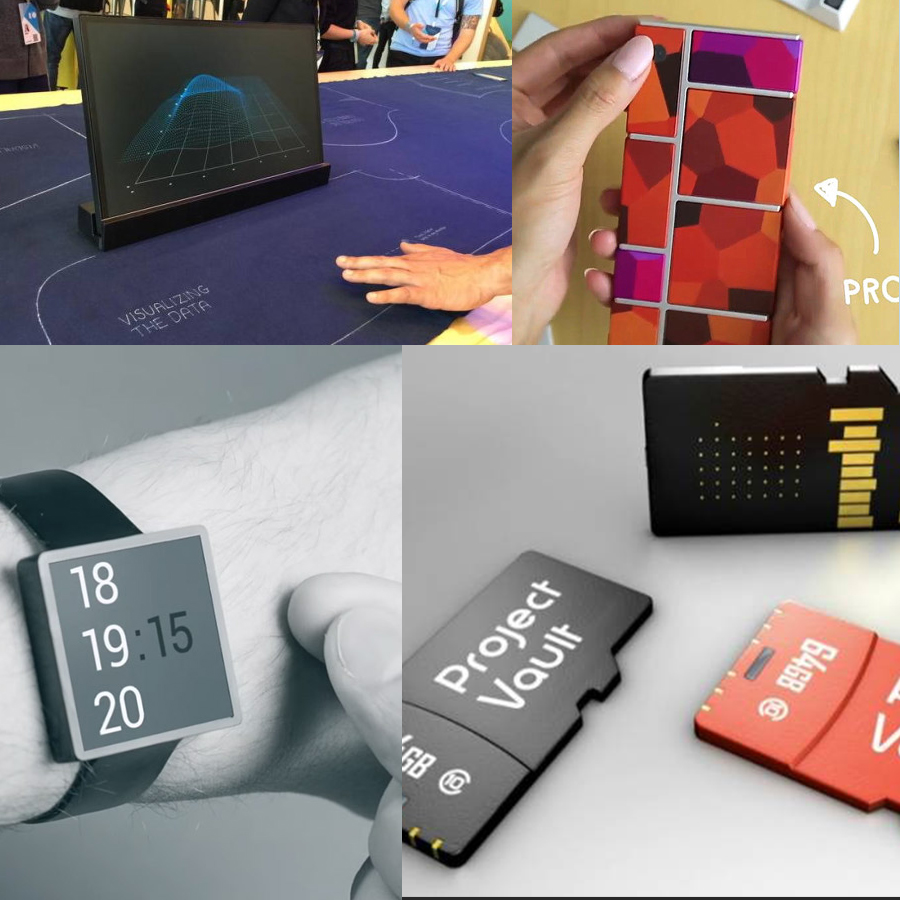
Project Vault
Project Vault aims to secure the sensitive data that is stored on the microSD cards used as external storage media in smartphones. Designed by ATAP, Project Vault incorporates an ARM chip installed inside a microSD card with at least 1 GB of storage space. These cards will be based on RTOS (Real-time Operating Systems). The hardware setup will also consist of an NFC and an antenna for security purposes. The card will feature 2-factor authentication and will act like a regular microSD card to the parent device and would work on a number of operating systems like Android, Windows, OS X, Linux, etc.

Project Soli
Thinking of having a radar right inside wearable like smartwatches, Google ATAP (Advanced Technologies and Projects) team has made it possible. Project Soli wants to create a way for people to operate their devices using only natural hand motions, rather than styluses, touch screens or scroll balls. This highly sensitive radar sensor will be capable of sensing even slightest of the movements and hence will correctly estimate the velocity and the distance. The radar sensors are so precise that the most minuet movement is also recognized. ATAP is using radar to make Soli work even at a distance. It may be available later this year, and will be a feature of Android Wear.

Project Jacquard
Probably the new project debuted by ATAP was Project Jacquard. Project Jacquard incorporates electronics woven right into the fabrics. So, user doesn’t have to rely on wearable devices for doing basic tasks on smartphones. The team has created interactive, touch sensitive threads that can be woven into fabric so user can control their devices from: the sleeve of shirt or pant. They announced a partnership with Levis and are hoping to spread the technology through the fashion industry. The big difference between Jacquard and “smart clothing” of the past is that Google worked with clothing manufacturers to develop a yarn that struck a balance between being conducive for tech, while still being durable and wearable enough for use in the fashion industry.
User can think about controlling music playback just by making a gesture on your garment. The scope of this technologies involving fabric-woven electronics is virtually endless and depends on the imagination of the company and the developers.

Project Ara
Project Ara, one of the most interesting development in Google i/o 2015. The ATAP team demonstrated a working prototype of Google’s modular smartphone. An Ara phone was assembled from scratch, adding everything except the battery module. The phone was then turned on and shown to be working fine. The battery module was then added, without rebooting the device, and no issues come across in accepting the newly added module. The finished product will allow user to swap modules, such as cameras and batteries, in and out of the phone like building blocks.

More About Google i/o 2015
Source Link: http://www.9spl.com/blog/google-io-2015-part-v-advanced-technologies-projects/

Tuesday, 29 September 2015

Connected Car – The Opportunities Ahead

Connected Car is the largest opportunity for technology, auto industry and telecom companies. The auto, as well as the technology industry, are increasing very rapidly nowadays. But this new type of cars is changing the auto world and technology industry.

The connected car is furnished with internet connections and software which allow people to listen music, look for movie times, keep alert for weather conditions and traffic, and also power driving-assistance services such as self-parking. According to bi, it is predicted that by 2020, 75% of cars which are exported globally will be built in such a way that will provide essential hardware to get connect with the internet. The connected cars help to re-size the market, evaluate the average selling price and how it will decrease over time and determines different approaches of manufacturers’. Key aspect of connected car you may want to know are.


Connected Car Market

The connected car market is expanding at a five-year compound annual growth rate of 45% – 10 times faster than the overall car market. In 2020, it will be provided with internet connection hardware as it is estimated that 75% of 92 million cars will be shipped over the world. Out of the 220 million total connected cars on the road globally in 2020, consumers will activate connected services in only 88 million of these vehicles.

Connected Car Technology

Connected-car technology is now divided between the strategy that are set in the internet connection in the car and those relying on a secondary device. To operate the system, once the connections are set then it don’t require a phone’s data plan and company, as well as consumer, will gain a larger variety of data and features to access it. This will allow auto companies to collect data on cars’ performance and help to send updates and application to cars remotely, avoiding recalls related to the car’s software.

Revenue from Connected Car

The prices of Connected-car are out of reach for most car buyers, still they will drop significantly in the next few years. The fact is connected-car falls in the luxury category. Sales of connected car will equal $2.3T in 2020. The current average selling price of a connected car is much higher than the national average which will drop as carmakers connect their economy lineups. While connected car hardware and software will bring in $ 152B in 2020. Driver assistance systems, such as self-parking features, would become more common and make a lot of revenue for carmakers.

Connected Car from Consumer Point of View

Most consumers are unaware of connected car features and services. Around 44% are totally unaware and have never heard of connected car, 42% of total have heard of them but unfamiliar about how it works while only 14% consumers know about the car and are familiar with its features. But they desire entertainment and safety features such as streaming music for in-car use, surfing the internet via a monitor in a car, car identifies traffic signals, accidents, congestions, a system that allows the passenger to pause the car, front/rear end collision alarm warning, night vision device, fatigue warning device, access to social media while driving the car. Thus, development in technology helps to increase revenue, gives more facilities to consumer and also helps to develop auto industry.

9series team is exploring the technologies such as OpenCar SDK, APIs and ready to assist you in your programming needs.


Source Link: http://www.9spl.com/blog/connected-car-opportunities-ahead-2/